Click on the links to view our research projects
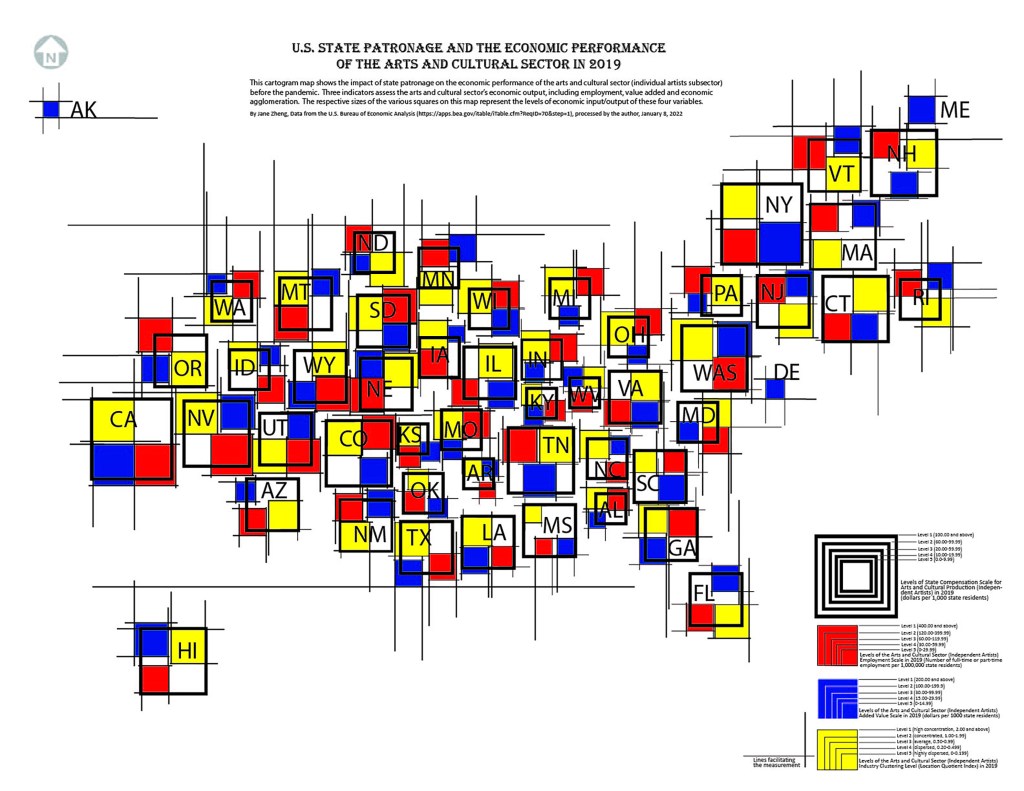
Applied Research Project titled “State patronage and the economic performance of the art sector in the U.S.” 2021. Research and StoryMaps by Jane Zheng (https://storymaps.arcgis.com/stories/0afd30b364a742b4aceb07437a036c50)
U.S. state governments’ compensation for art and culture has steadily increased from 2010 to 2019. However, it is unclear what the how the state compensation affects the economic performance of the arts sector. This research examines the “individual artist” subsector and assesses the economic outcome of state patronage, using three indicators, i.e., employment, industry agglomeration index, and value-added in 50 states of the U.S. The research finding is that there is no positive correlation between state funding and the economic output of the art sector.
PR
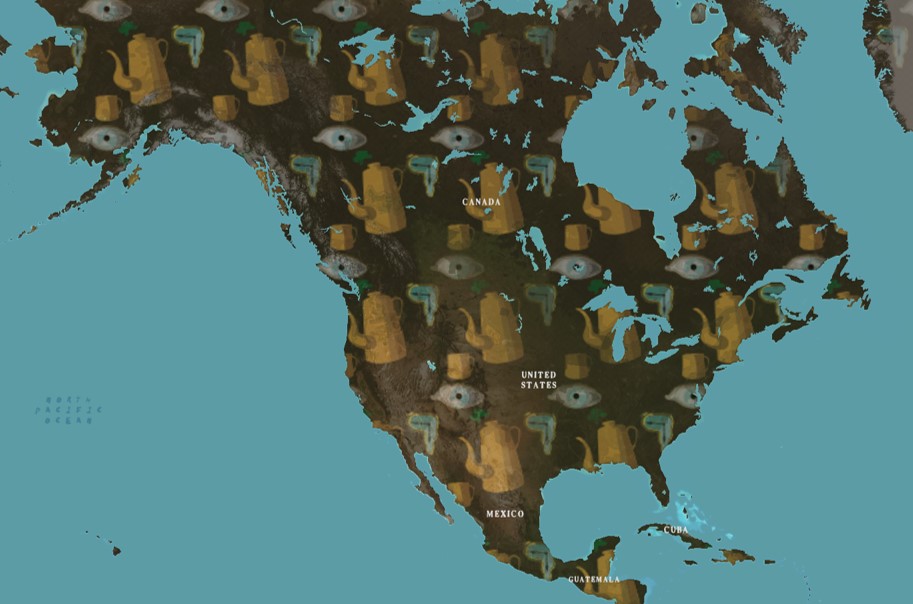
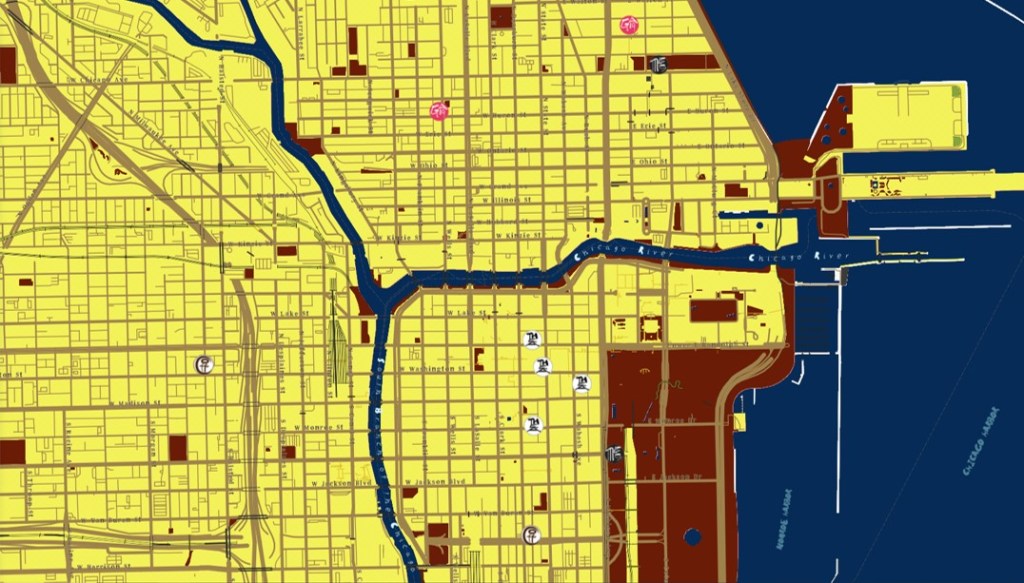
Applied Research Project titled “The Chicago Network of Art in the Surreal Era of Covid-19.“ 2022. Research and Mapping by Jane Zheng https://api.mapbox.com/styles/v1/janezhenggis/ckv9ycja99ygz14p14fqh3h7f.html?title=copy&access_token=pk.eyJ1IjoiamFuZXpoZW5nZ2lzIiwiYSI6ImNrdWlrem44cTJwNXIybnFwZWd1bnV1eGcifQ.Jsjue1ShLY0ipszKYzSoZw&zoomwheel=true&fresh=true#1.2/0/360.6
Project Description
This slippy map project chronicles a visual, virtual journey starting from Earth orbit and incrementally zooming in, until reaching enough granular resolution that one can see individual art venues in Downtown Chicago. It generates a unique sense of place in the context of the ongoing pandemic. This experience is represented through an intensive focus on four phases of landscape, represented at multiple scales through zooming in.
During the pandemic, most art venue visits became virtual. The challenge of this project was to represent a virtual site visitation experience, that combines visitors’ psychology and perceptions, with the actual sites. Each scene should be a blend of reality and hallucination, the latter represented through the momentary appearance of surreal objects. I creatively utilized Mapbox’s zoom level changes to create dramatic effects and apply surrealism for the purpose of artistic representation.
Surrealism is an art movement that was prevalent in the 1930s. It features everyday objects depicted through juxtaposing contrasting colors and layouts in a surprising manner. Surrealism arouses a feeling of the absurd through a realistic form of representation known as “distant realities,” which activates our unconscious minds through the use of imagery. The outcome is to unify the contradictory conditions of dream and reality in an “absolute reality.”
My icon design for downtown Chicago art venues was inspired by the work of a contemporary Chinese artist, Xu Bing. Though different from Western Surrealism, Xu Bing’s works are definitely surreal. He transmogrifies English words into Chinese square characters. Xu’s creatures look like Chinese characters at the first glace, however they can actually be read as English words. He creates illusions. Are these words Chinese or English? Will you believe your eyes or your mind?
PR
Resent research papers
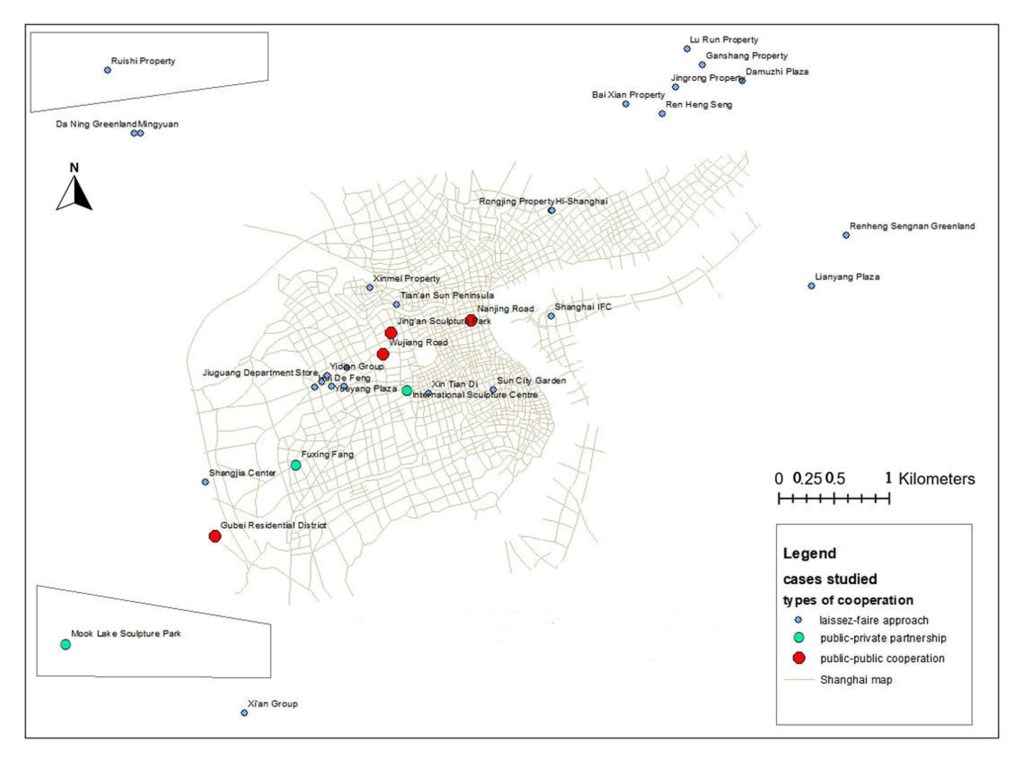
Zheng, Jane, 2022, “Rethinking the growth machine logic in cultural development: Urban sculpture planning in Shanghai,” The China Information (online first) (https://journals.sagepub.com/doi/abs/10.1177/0920203X221081328).
Abstract
Using urban sculpture planning in Shanghai as a case study, this article aims to understand the process of planning cultural projects in China and to evaluate the applicability of the growth machine model to the social dynamics underlying cultural development in Chinese cities. Based on interviews with sculpture planning officers in 10 districts and the municipality, as well as 56 companies that have been involved in sculpture projects in Shanghai, this article argues that the growth machine model is of limited applicability to urban sculpture planning in Shanghai. Instead, a public-sector-centred tripartite model is more applicable for the following reasons. First, most cooperative relationships in key cultural development projects engage state-patronized public corporations instead of the private sector. Here the government plays a dominant role. Second, public–private partnership is rare and loosely formed. The broadly defined concept of shared cultural capital that includes personal artistic tastes, altruistic motivations, and brand building concerns engenders public-private cooperation. Third, the local state adopts a laissez-faire approach to most of the private-sector-invested cultural projects that the government considers to be less crucial to its vision for Shanghai’s art landscape.
AR
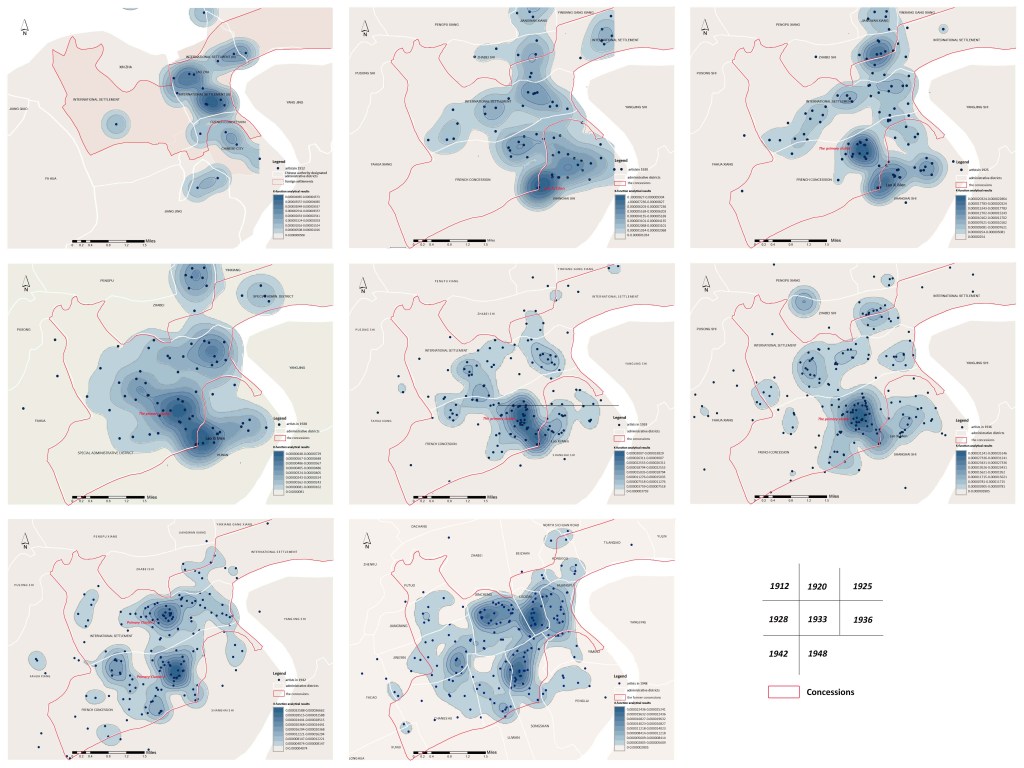
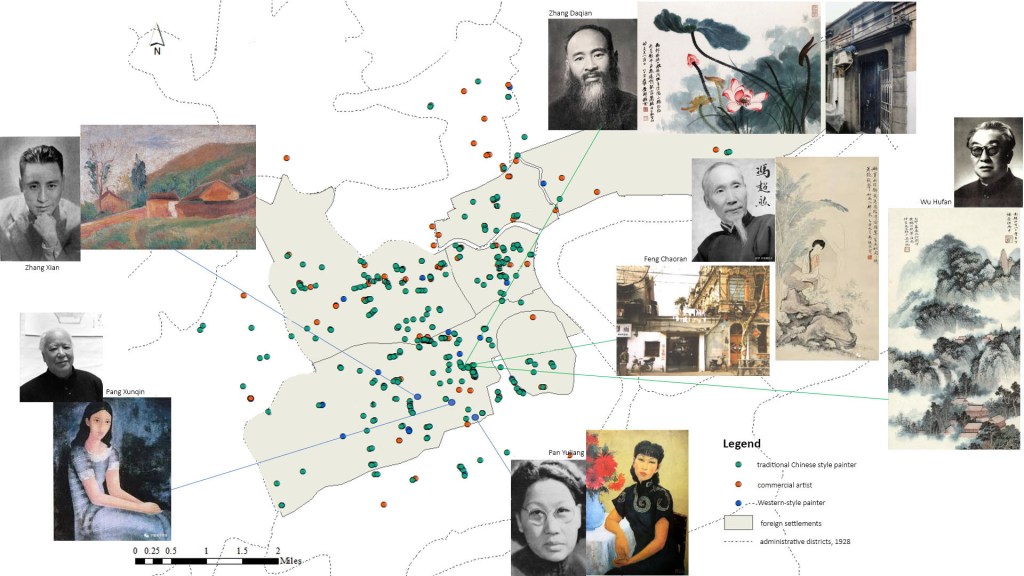
Zheng, Jane, Sabrina P.Y. Zhang, Zhen Fan, Hui Lin, and Yuen Sang Leung, 2022, “Rediscovering Shanghai modern: Chinese cosmopolitanism and the urban art scene, 1912–1948,” Urban History, ViewFirst (https://www.cambridge.org/core/journals/urban-history/article/rediscovering-shanghai-modern-chinese-cosmopolitanism-and-the-urban-art-scene-19121948/4140AC5CE553F8103775BB8DB4647C50)
Abstract
Republican Shanghai was a renowned art capital. This article is based on a large-scale digital mapping project of the residential locations of 1,349 Shanghai artists. We analysed the transformative spatial distribution patterns of artists in relation to the city’s social and urban conditions, and developed an artists’ habitation approach to elucidating the issues of Republican-period Shanghai urban and art history from the perspective of Chinese cosmopolitanism. We mapped areas of high artist concentration and identified a higher percentage of artists residing in the concessions (compared with the Shanghai general population) and the incremental convergence of art clusters in the concessions. We argue that the concessions provided a favourable environment for cultural diversity and the ungovernable, elite spirit of the literati tradition. The mainstream Shanghai art practices, known as haipai, were modern, as they were rooted in the urban modernity of the concessions and embodied Chinese cosmopolitanism.
AR
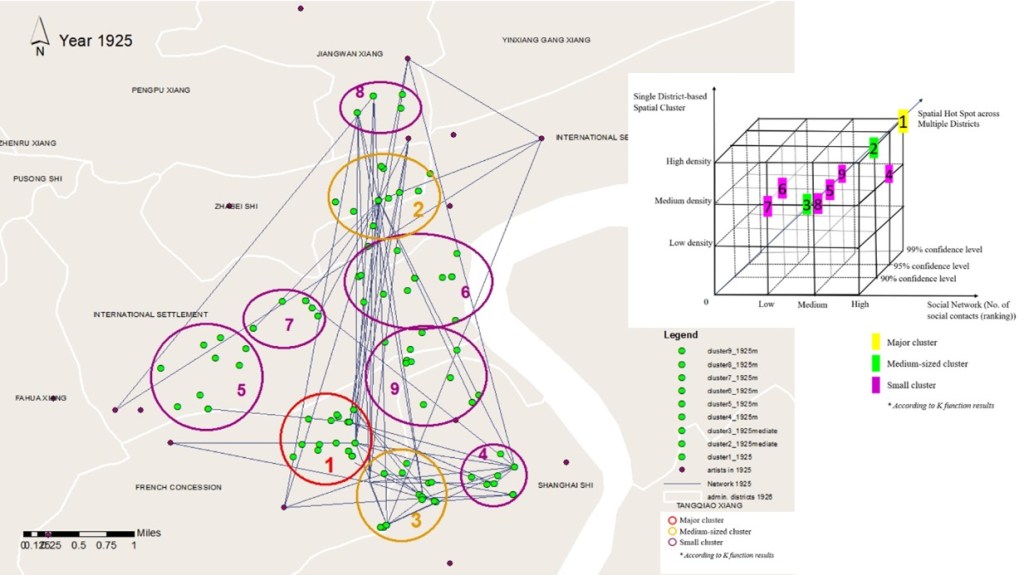
Zheng, J., He, J., Fan, Z., Zhang, S. P., Lin, H., & Leung, Y. S. 2022, “Mapping the Most Influential Art Districts in Shanghai (1912-1948) through Clustering Analysis,” The Journal of Arts Management, Law, and Society, online first (https://www.tandfonline.com/doi/full/10.1080/10632921.2022.2080137)
Abstract
This research proposes a new method to map and classify art clusters, combining multiple dimensions of spatial and social network analyses. This method innovatively blends a historic GIS approach, spatial statistics and qualitative data analysis, and experiments with the Republican-period of Shanghai art world, known as the golden age of art and culture in Shanghai. The outcome is the identification of 11 major art clusters in eight selected years with unique characteristics. It also uncovers a partially correlated yet dialectic relationship between social network dynamics and cluster transformation in Shanghai. These findings fill a knowledge gap in Chinese art history.
AR
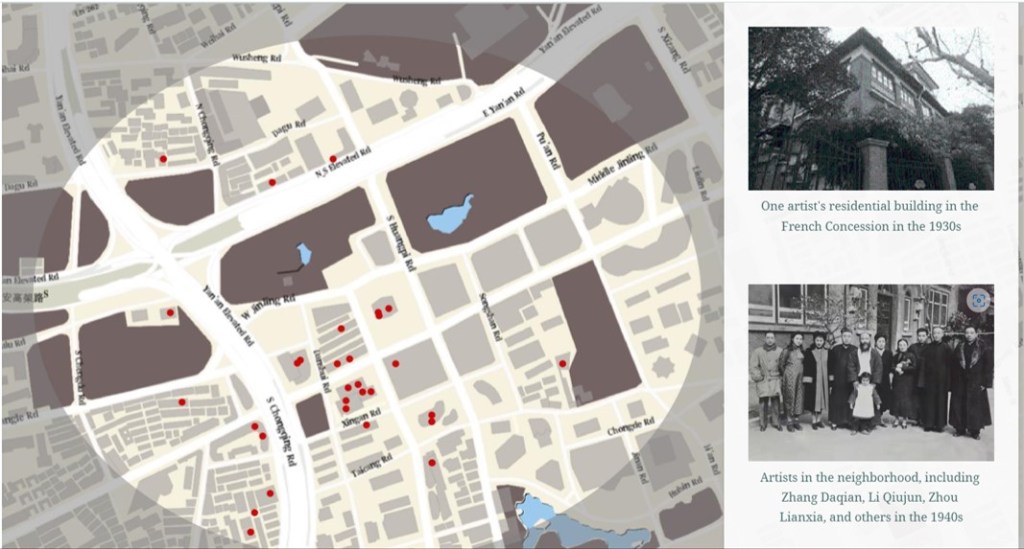
An applied research project titled “The Concessions and the Shanghai Art World, 1912-1948: Exploring the dynamics of artists’ settlement patterns in Republican Shanghai.” 2022. MapStory by Jane Zheng; Research by Jane Zheng, Sabrina P.Y. Zhang, Zhen Fan, Hui Lin, and Yuen Sang Leung (https://storymaps.arcgis.com/stories/d1b113ee4a054021baffc60c5fc3a695)
Abstract
This StoryMaps project, featured by ArcGIS Online gallery of UW-Madison, is partially based on the research findings of Zheng, Jane, Sabrina P.Y. Zhang, Zhen Fan, Hui Lin, and Yuen Sang Leung, 2022, “Rediscovering Shanghai modern: Chinese cosmopolitanism and the urban art scene, 1912–1948,” Urban History, ViewFirst. This current digital mapping project focuses on the role of the concessions in the formation and transformation of Shanghai’s art landscape from 1912 to 1948 through visual narratives.
PR
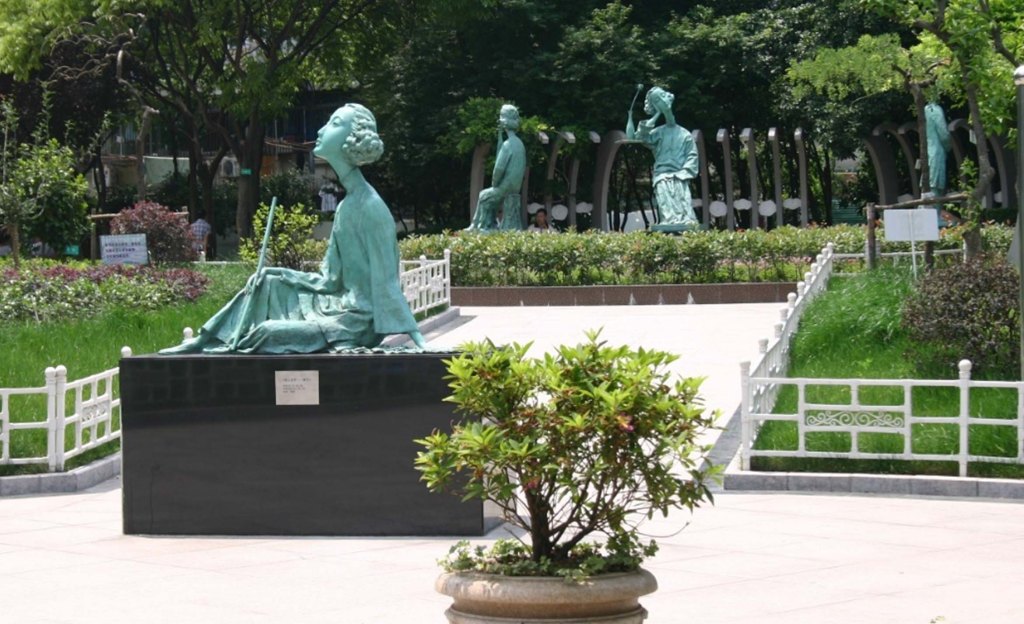
Neighborhood, photo by Jane Zheng
Zheng, J and Zheng, X., 2022, “Does Public Participation Matter to Planning? Urban Sculpture Reception in the Context of Elite-Led Planning in Shanghai.” Sustainability, 14, 12179. https://doi.org/10.3390/su141912179
Abstract
Scholars have long debated how effective public participation is in urban planning. While most research was designed to assess the effect of public participation, the knowledge gap concerns whether urban planning would receive negative reception without public participation due to failure in managing people’s emotions. One of the underlying reasons is that public participation is crucial to public emotion management. In this paper, we evaluate the impact of a case of public planning, and more specifically, the effects on public art reception when the planning project is developed by elites, without the involvement and participation of residents. Public art planning involves substantial symbolic and emotional components, and therefore constitutes a suitable case study. This research examines urban sculpture planning in Shanghai. The primary research method is a questionnaire survey, completed by 244 respondents. We argue that public participation is not the sole determinant of public art reception; other factors, particularly locality, also matter: an authoritarian-style urban sculpture planning creates a unanimous reverence and appreciation for flagship art projects on prominent public venues in central cities. However, people’s feelings towards sculptures vary in neighborhoods; people are more likely to resist imposed artworks in the environment of their everyday life. Finally, we conclude that a lack of public participation does not always result in a negative reception to cultural projects on the part of the public; however, this lack of public participation is, nevertheless, culturally unsustainable.
AR
Zheng, Jane, Sabrina PY Zhang, Zhen Fan, Hui Lin, Yuen-Sang Leung, and Yong Liu. 2023. “Modeling the Creative Milieu of Cosmopolitan Cities: Shanghai, 1912–1948.” The Journal of Arts Management, Law, and Society: 1-23. https://www.tandfonline.com/doi/full/10.1080/10632921.2023.2279072

Abstract
This research paper gleans insights from significant historical cases to unravel the essence of a ‘creative milieu.’ Our study scrutinizes the factors that shaped artists’ settlement patterns in Shanghai during the Republican era (1912–1948) by constructing both global and local spatial regression models across three pivotal years, thus unveiling seven distinct variable categories. We argue that paramount among these attributes are individual art intermediaries, art schools, and art organizations. Furthermore, our inquiry acknowledges the diverse and idiosyncratic characteristics inherent to artistic communities and delineates between attributes of particular relevance to the Chinese context and those adaptable within a Western paradigm.
AR
Zheng, Jane, Zhang, S. Peiyao, Fan, Zhen, He, Jie, & Leung, Yuen-Sang. 2024. Spatial proximity in artists’ social networks: The Shanghai art world, 1912–1948. Transactions in Planning and Urban Research, 27541223241295624.
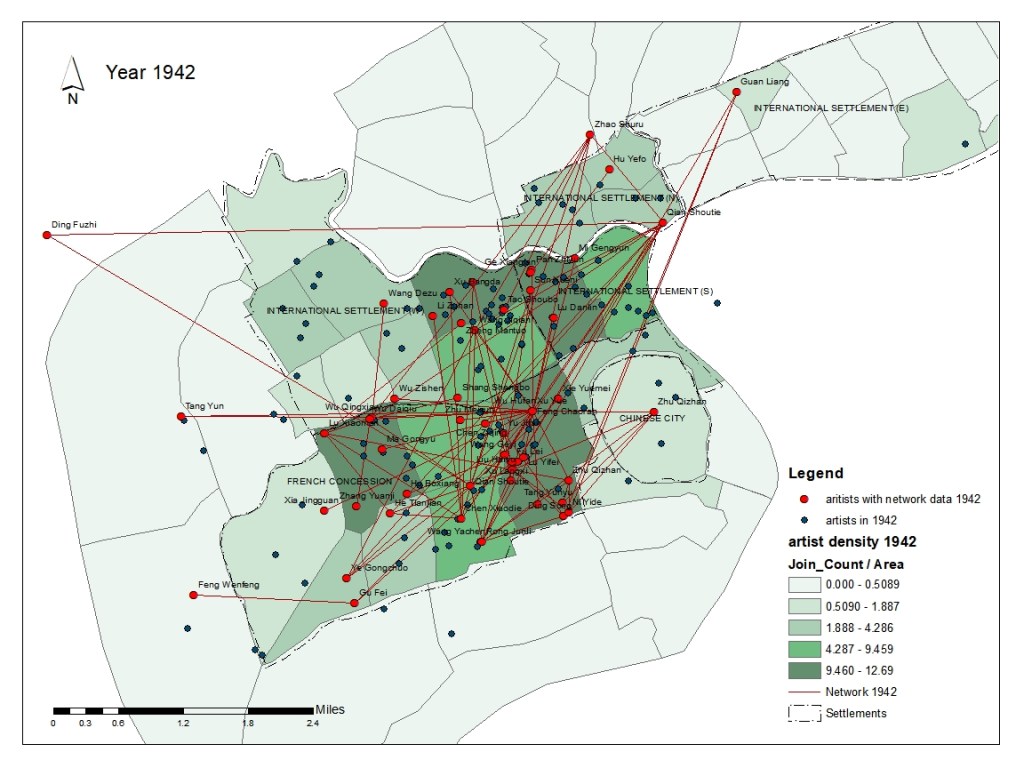

Abstract
This paper presents a comprehensive digital mapping of artists’ residential locations and social networks in Republican Shanghai, aiming to enhance our understanding of the role of spatial proximity in the development and expansion of artists’ networks, and, based on this, to reconceptualize the ‘art world.’ Our findings suggest that spatial proximity does not influence the development or maintenance of artists’ networks, which instead form a city-wide network of pipelines. However, the clustering of key nodes in primary art clusters indicates that spatial proximity is a necessary but insufficient condition for artists to expand their networks and establish themselves as leading figures. The paper further explores the dynamics of these primary art clusters, revealing mechanisms such as spatial-network synergies, the formation of intimate master-pupil relationships through co-residence, and group imaging and place branding centered around prominent artists.
AR
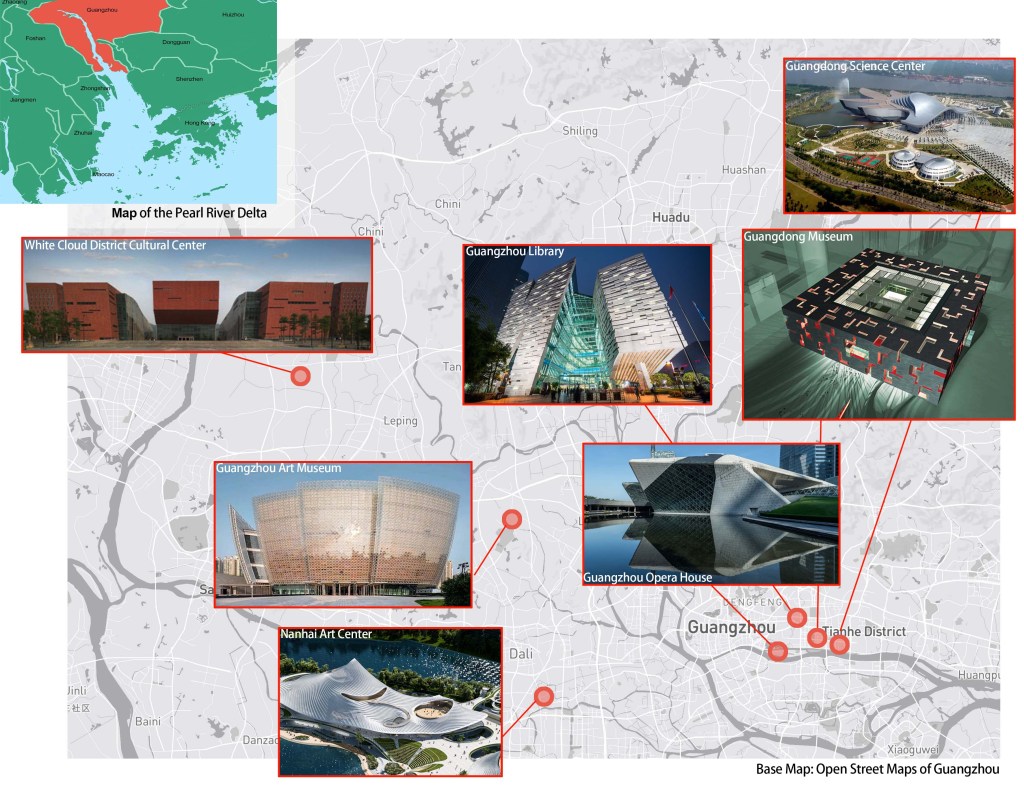
Zheng, Jane. 2024. “Territorializing the Pearl River Delta:“state entrepreneurialism” in the cultural facility boom.” Urban Geography: 1-27.
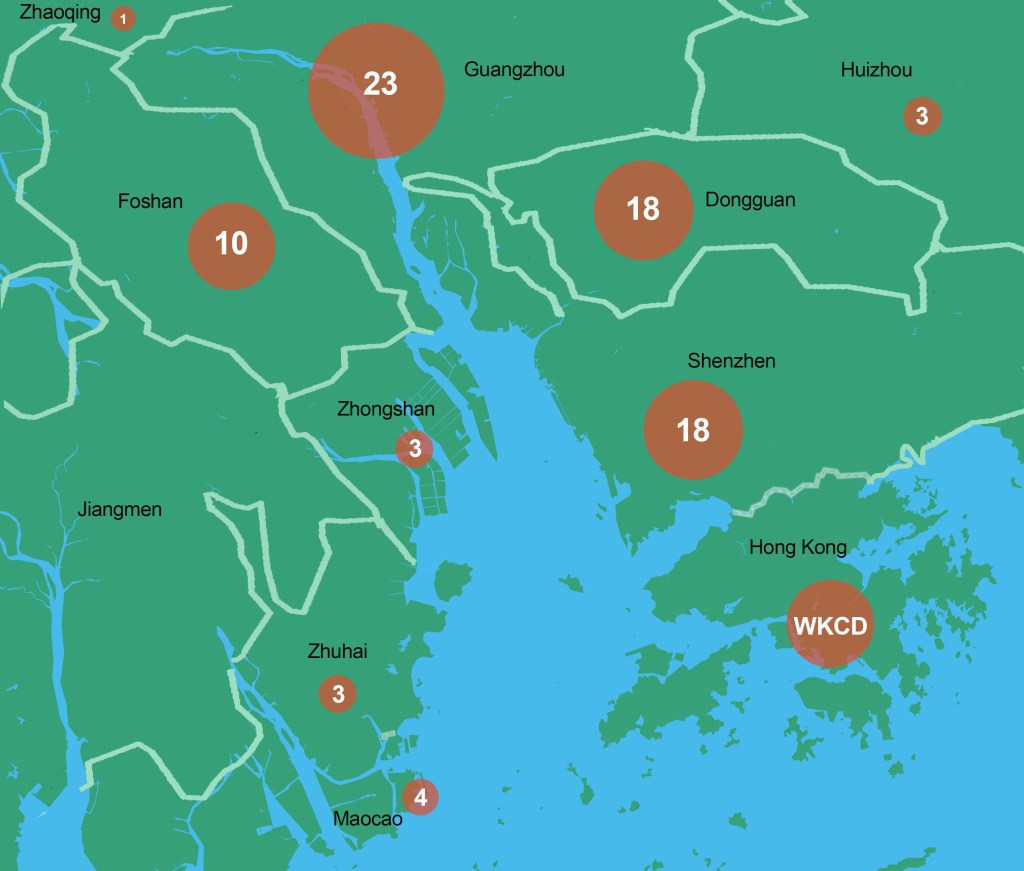
Abstract
This research delves into the remarkable surge in cultural facilities within the Pearl River Delta (PRD) spanning the last forty years. It unveils the intricate interaction between entrepreneurial urban strategies and state-driven territorial authority. We reconceptualize these facilities as entrepreneurial tools serving the ideological goals of the Party-state. While expected to achieve economic sustainability through the synergy of symbolic assets and augmented land value, cultural facilities redirect urban entrepreneurialism to foster national pride, fortify internal cohesion, disseminate state dominance, standardize regional identity, or extend territorial influence. Thus, the emergence of the cultural facility boom in the PRD is not the outcome of a singular policy objective; rather, it is a confluence of diverse core interests of the Party-state, and the interplay between entrepreneurial practices and ideologies varies across historical periods. This thesis bridges a gap between China’s political-economic conditions, cultural facilities, and territorial power, thereby augmenting the “state entrepreneurialism” approach.
AR
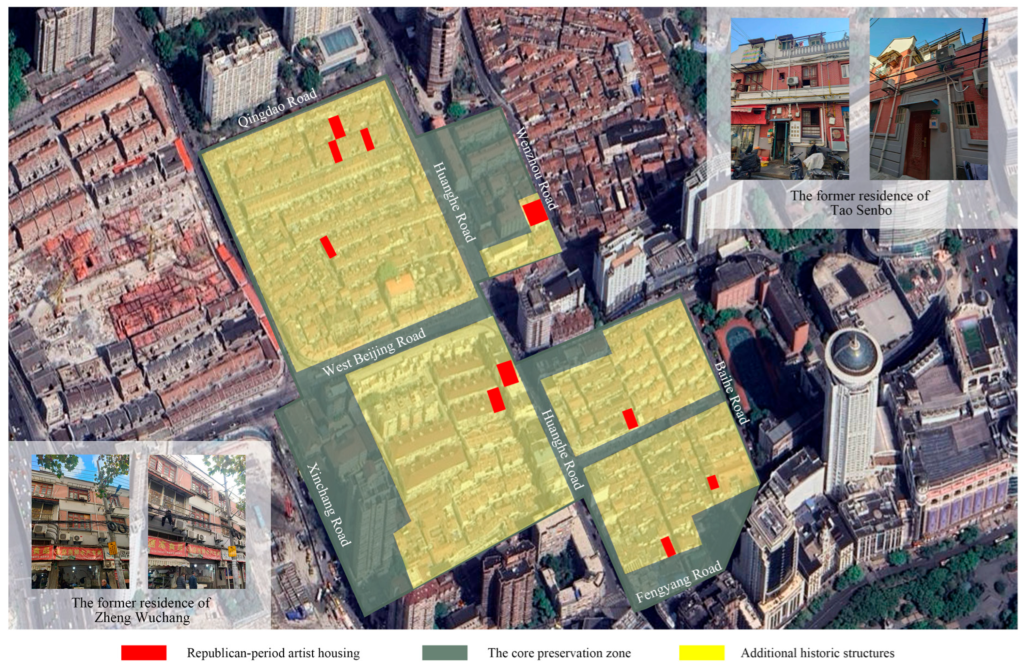
Jane Zheng, Yue Liu, Xiaotian Li, Mingyang Xie, Wenhao Ge, 2025, “Toward a Disciplinary Knowledge–Led Approach for Sustainable Heritage-Based Art Districts in Shanghai,” Sustainability, 17(18), 8215.
Abstract
Recent scholarship highlights growing interest in the relationship between cultural heritage and sustainable development. However, existing research predominantly focuses on pluralistic governance systems in the West, which limits applicability in authoritarian contexts and leaves evaluation mechanisms underdeveloped. Addressing this gap, this paper proposes the Evidence-Based Disciplinary Assessment (EBDA) approach, a guiding framework that integrates research evidence, historical narratives, and legacies to broaden heritage recognition across five dimensions: cultural, social, environmental, economic, and institutional-governance. The framework demonstrates how disciplinary knowledge valuation can contribute to sustainable heritage in historic art districts. We digitally map spatial clusters of 1347 artists’ residences and identify neighborhoods central to Shanghai’s Republican-period art scene. Through case studies of two existing neighborhoods and qualitative interviews with local officials, we show how evidence-based disciplinary narratives foster neighborhood pride, support adaptive reuse, attract cultural tourism, and align with governance frameworks to promote long-term preservation. Nonetheless, EBDA has limited relevance for social sustainability, particularly in enabling community-led conservation and supporting emerging artists. This hybrid model contributes to both theoretical debates and practical strategies for historic district development.
AR
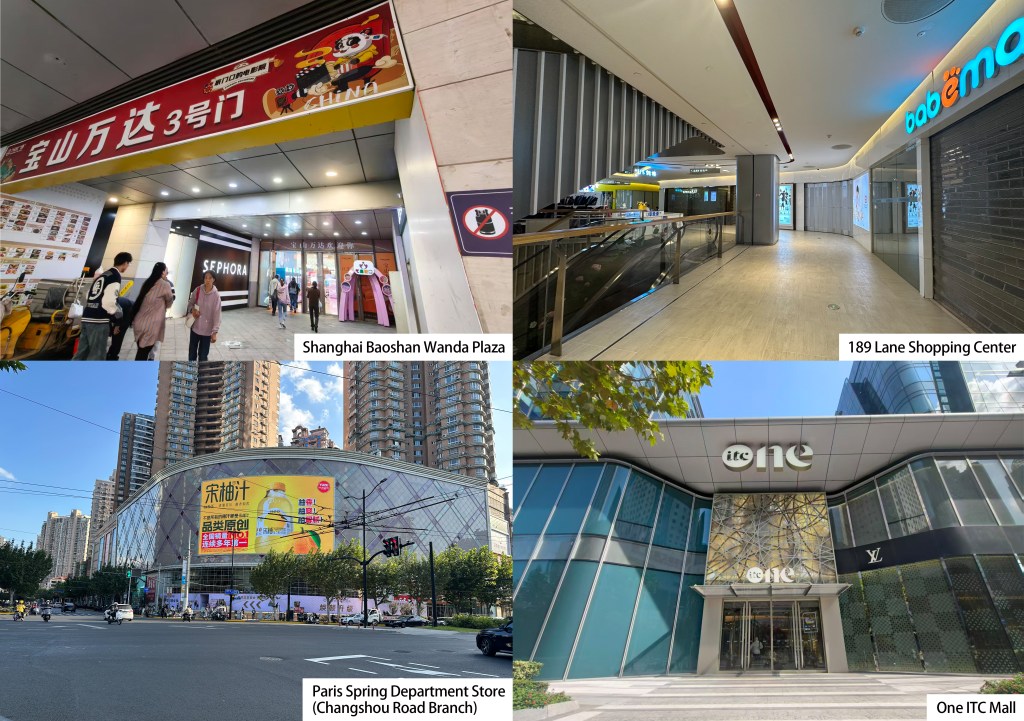
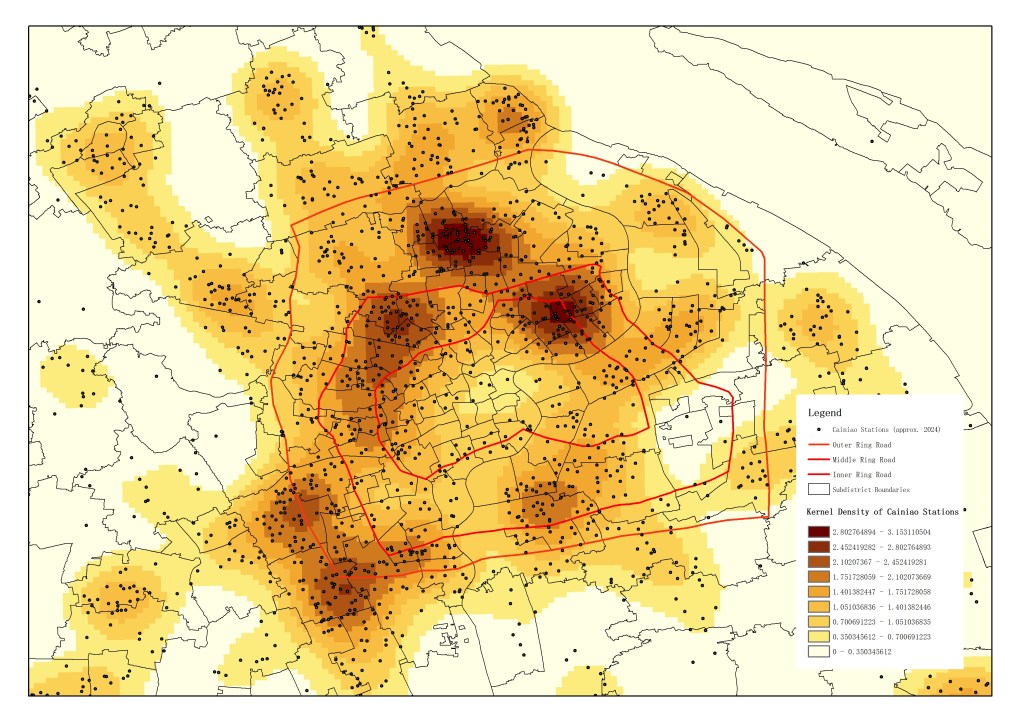
Zheng, J., & Zhao, Y., 2025, “Platform Urbanism and Land-Use Transformation in Shanghai: Dual Neighborhood Impacts of E-Commerce Logistics in Relation to the 2017–2035 Master Plan,” Land, 15(1), 4.
Abstract
This study examines how platformized e-commerce logistics reshapes urban land use at the neighborhood scale, using Shanghai as an empirical case. It argues that last-mile logistics infrastructure operates through two intertwined mechanisms: as physical service nodes that generate localized pedestrian flows sustaining neighborhood retail, and as neighborhood-level execution points within a digitally coordinated logistics system that produces citywide substitution pressures and restructures commercial spaces, particularly community-oriented shopping malls. Theoretically, the study advances platform and logistics urbanism by reconceptualizing last-mile infrastructure as a dual-role urban system with scale-dependent land-use effects. Methodologically, it combines street-segment regression analysis with shopping-mall case studies to link logistics proximity to fine-grained spatial outcomes. Empirically, the findings reveal complementary effects for street retail alongside accelerated restructuring and functional repurposing in community malls—patterns not captured by uniform displacement models. Planning analysis further identifies a governance mismatch in Shanghai’s 2017–2035 Master Plan, underscoring the need for platform-responsive planning to address emerging hybrid commercial–logistics spaces.
AR
 CCRI
CCRI 